
Many Alabama farms rely on rain cycles, seasonal temperatures, and natural wildlife patterns to maintain productive land. While farmers often talk about bees for pollination or barn owls for rodent control, bats rarely enter the conversation, even though they are one of the hardest-working animals in the entire agricultural ecosystem. Alabama is home to sixteen bat species, and almost all of them are heavy insect eaters. Every summer night, these bats quietly remove pests that would otherwise damage crops, spread disease, or irritate livestock.
Despite their importance, bats still face widespread misunderstanding and unnecessary fear. This creates a disconnect between the essential role they play and how people view them. Bringing bats into the spotlight is not only good for the farms that rely on healthy ecosystems, it also helps protect one of Alabama’s most beneficial wildlife groups. Understanding their habits, needs, and contributions allows farmers and homesteaders to support bats in ways that strengthen both agriculture and the environment.
Natural Insect Control: A Nightly Service Worth Thousands
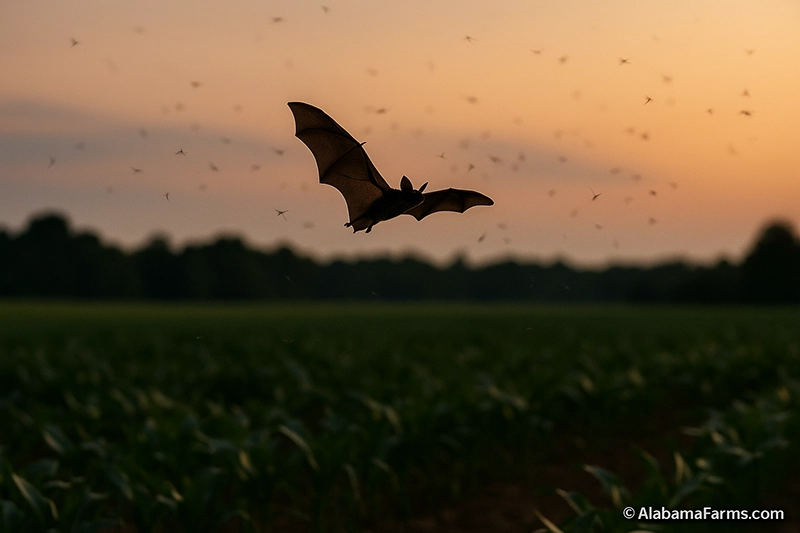
Bats provide a level of insect control that is unmatched by any chemical or mechanical method. A single bat can consume hundreds to thousands of insects per hour, and when entire colonies are active, the impact becomes enormous. For crops like corn, soybeans, cotton, vegetables, peaches, pecans, and hay, the biggest threats come from pests such as moths, beetles, leafhoppers, and mosquitoes. Many of these insects are active at night, which means bats are hunting at the exact time pests cause the most damage.
Research from agricultural studies shows that bats reduce pest pressure enough to save farmers thousands of dollars in pesticide costs each season. Instead of relying heavily on chemical sprays during peak summer months, farms with healthy bat populations experience more balanced insect levels. This benefits both commercial farms and backyard homesteads, especially those growing heirloom vegetables or organic produce. The more bats present on a property, the more stable the nighttime insect population becomes.
Indirect Benefits: Healthier Livestock and Better Working Conditions
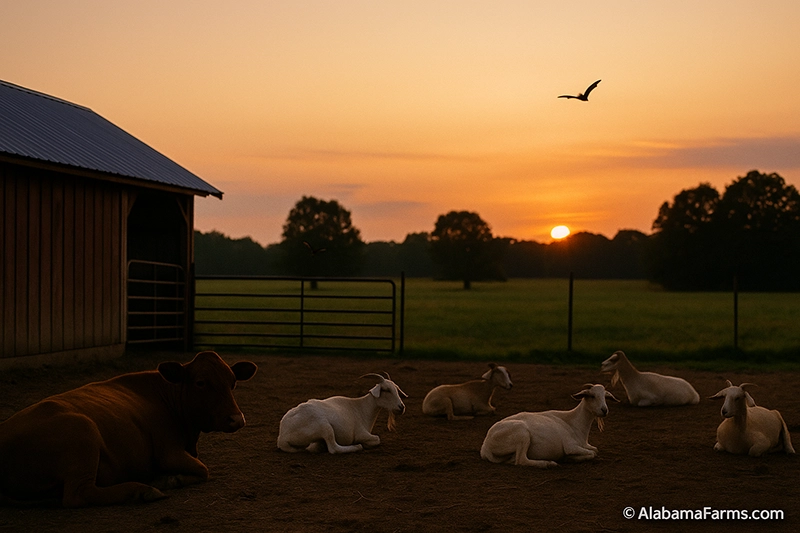
Insect reduction does more than protect plants. Livestock also benefit when bats keep biting insects under control. Horses, cattle, goats, and sheep experience fewer mosquito bites and less stress during humid summers. Flies and gnats that bother animals around barns, feed stations, and open pastures are also reduced when bats are active.
Farmhands and family members feel the difference as well. Fewer mosquitoes mean more comfortable evening chores, reduced chances of mosquito-borne illnesses, and better overall working conditions. For farms offering agritourism, evening pick-your-own events, or outdoor farm dinners, having fewer insects creates a more pleasant visitor experience.
How Bat Houses Strengthen Farm Ecosystems
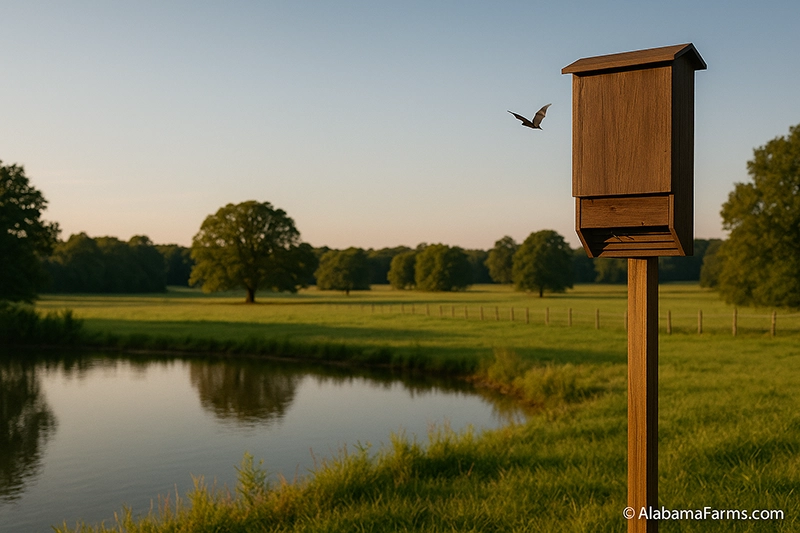
Bat houses are one of the simplest tools a farmer can install to encourage natural pest control. These structures provide safe, stable roosting spaces that mimic tree cavities or old barn rafters. When bats move in, they often remain loyal to the location for years, returning each spring to raise their young.
Placement is important. The best bat houses are mounted on poles or the side of a tall building fifteen to twenty feet high. They should receive several hours of morning and midday sunlight while remaining protected from bright nighttime lighting. Bat houses near ponds, creeks, or irrigation areas tend to fill faster because those water sources attract insects.
Some farms set up multiple bat houses to create a “bat corridor” that strengthens the nighttime movement of the colony. Over time, the farm benefits from a steady reduction in insects and a more balanced ecosystem.
What Farmers Can Do to Support Bat Populations

Creating a bat-friendly farm environment involves a few simple practices that benefit both bats and the land. Preserving tree lines, leaving snags (standing dead trees) when safe, and minimizing unnecessary nighttime lighting all help bats navigate comfortably. Avoiding harsh pesticides, especially broad-spectrum ones, keeps insect populations healthy enough to sustain bats throughout the summer.
Farms with ponds or natural water sources already attract many insects, which in turn attract bats. A clean water source surrounded by a mix of open pasture and tree canopy is a perfect hunting environment. Some farmers even create small wildlife zones with native plants to support the broader food chain.
Debunking Myths: Separating Fear From Reality
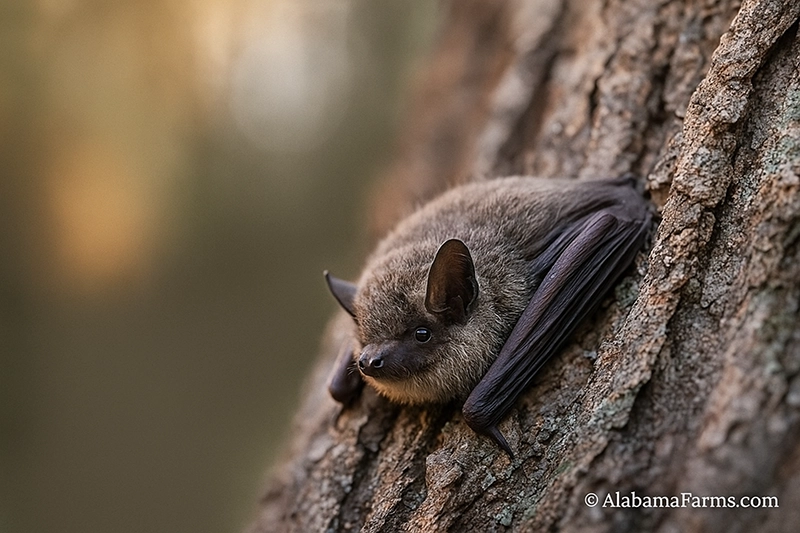
Many myths about bats come from old stories, movies, or misunderstandings. One common belief is that bats commonly carry rabies, which is not true. The percentage of bats with rabies is extremely small, much lower than many other wild animals. Bats do not attack people and are highly skilled fliers that avoid contact whenever possible.
Another myth claims that bats will get tangled in hair or swoop at humans. In reality, bats use advanced echolocation that prevents them from hitting even the thinnest obstacles. When they fly near people, they are almost always hunting insects. Farmers and homesteaders who watch bats feeding at dusk quickly realize how gentle and purposeful they are.
Conservation Concerns in Alabama

Bats across North America face threats from habitat loss, wind turbines, and a fungal disease known as White-nose Syndrome. Several Alabama species have experienced population declines over the past decade, making farm habitats especially valuable. When farms offer safe roosts, clean water, and low pesticide use, they help slow this decline and support local biodiversity.
Healthy bat populations benefit the land far beyond agricultural yields. They strengthen ecosystems, support native plant cycles, and contribute to overall environmental balance. For Alabama farmers, protecting bats is a direct investment in the health and productivity of the land.
Bats Are Partners, Not Pests
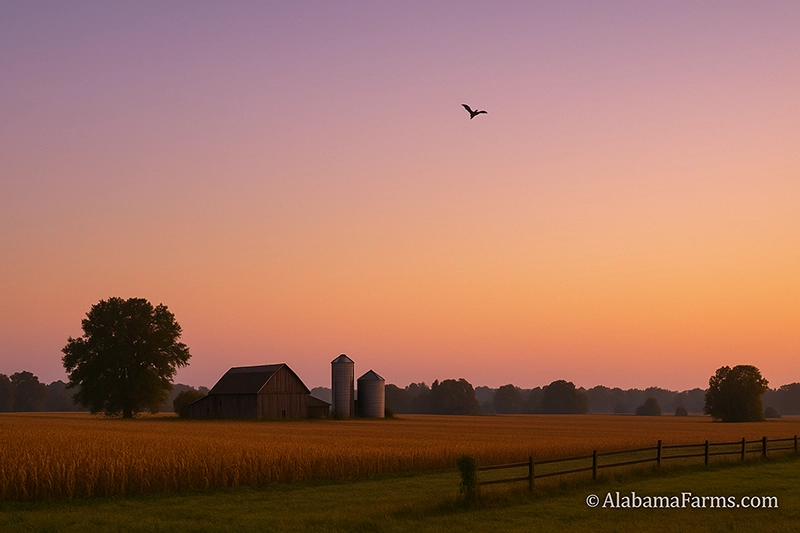
Bats deserve a place of respect on Alabama farms. They reduce insect pests, help livestock stay comfortable, lower pesticide costs, and support long-term soil and crop health. With simple steps like installing bat houses, reducing nighttime lighting, and preserving natural roosts, farmers can welcome these valuable nighttime workers into their operations.
When people understand what bats truly do and stop believing the myths around them, they begin to see bats as partners rather than pests. By supporting bats, Alabama farmers strengthen their land, protect their harvests, and contribute to a healthier agricultural future.